By Aliza Plotkin, Associate Director, Planning & Agency Relations
This past June, I had the privilege of participating in a parent panel for staff at Tamarack Camps. During the conversation, a young counselor from Israel asked a question that caught me off guard:
“What would make you send your child away for 24 days?”
I knew my answer immediately. When my son goes to camp, he experiences something that cannot easily be replicated anywhere else: a community where Jewish life is celebrated openly, where Shabbat shapes the rhythm of the week, and where being Jewish is simply woven into daily life.
But as I thought about the question later, I realized my answer wasn’t only about camp. It was about community.
For Jews living in North America, Jewish identity does not happen by accident. Unlike in Israel, where Jewish life is embedded in the calendar and culture, Jewish life here requires intention. It requires families who make choices, educators who create meaningful experiences, and institutions willing to invest in belonging.
That kind of care doesn’t just show up in a classroom or on a bunk. It begins long before that, in the work of community planning.
One example can be found in the work Federation has undertaken over the past several years within our early childhood education community.
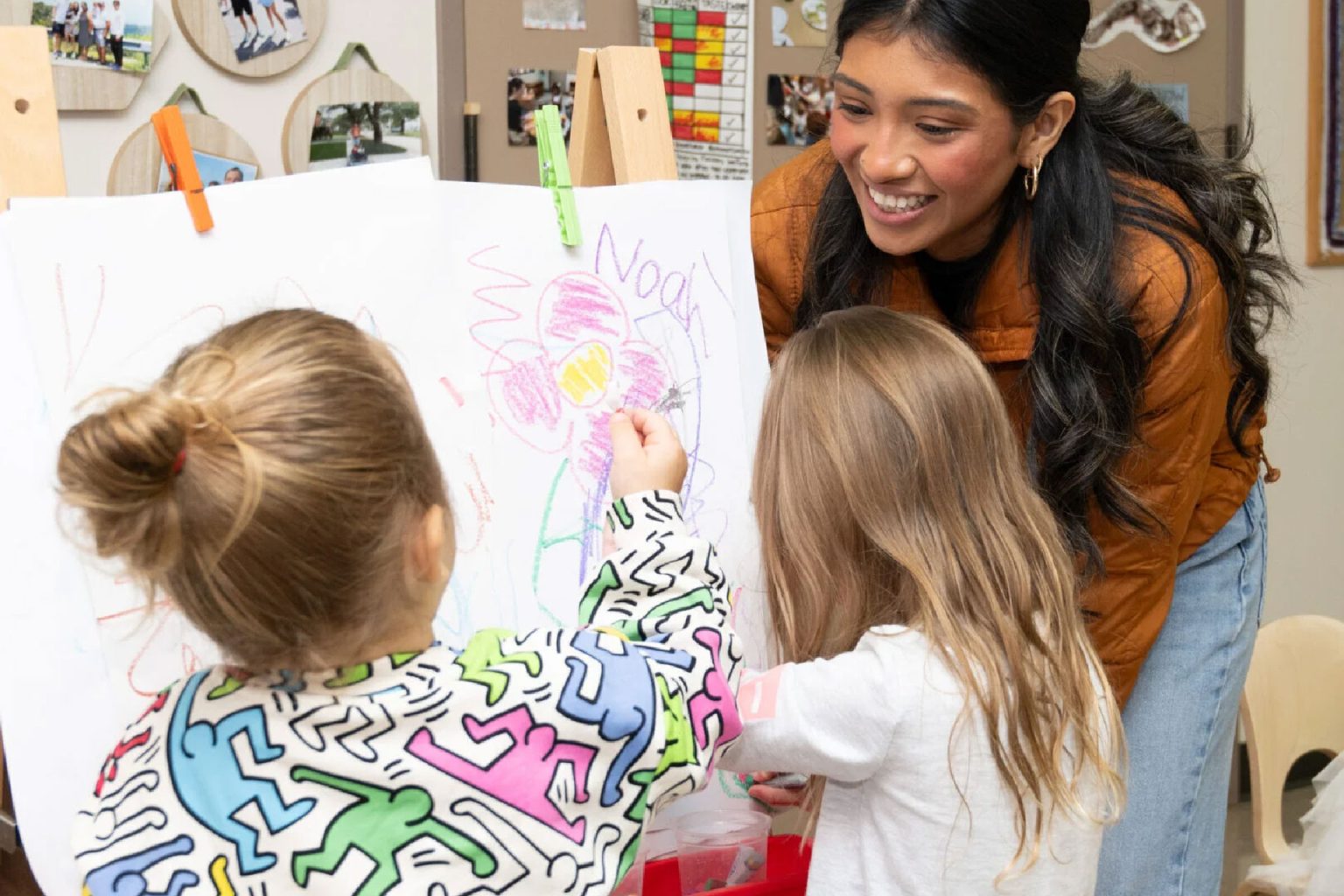
For many families, a Jewish preschool is their first real entry point into Jewish life. It’s where children begin building Jewish identity, where parents form friendships, and where families start to feel connected to something larger than themselves. Federation has long understood the importance of those programs. But as the landscape began to shift—with workforce shortages, changing family expectations, and Michigan’s expansion of publicly funded preschool—we knew we needed a deeper understanding of what our schools and families actually needed.
We began by listening.
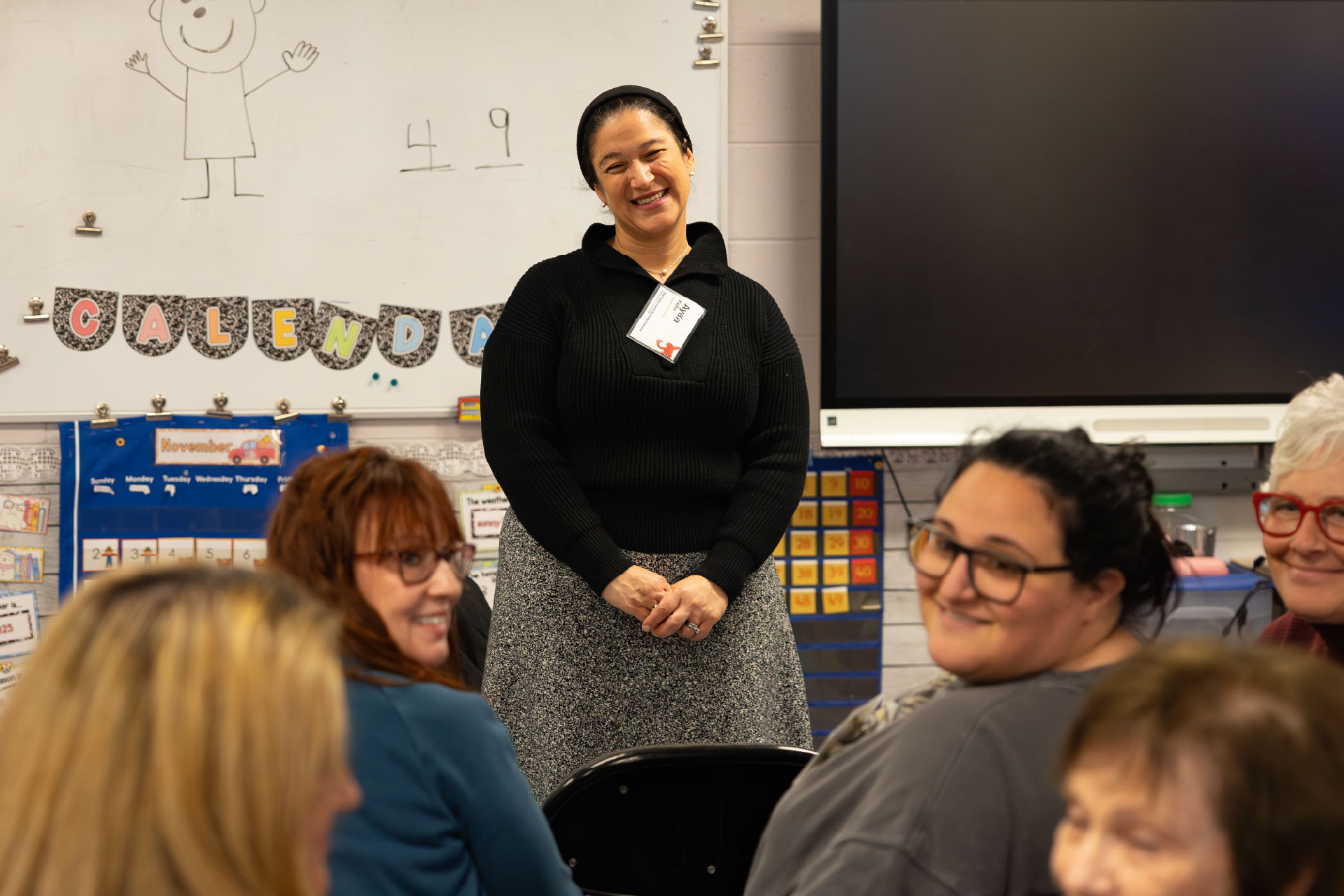
That meant meeting individually with school directors and leadership teams across the community. It meant examining local and national trends in Jewish early childhood education and looking closely at how other communities were responding to similar challenges. It meant studying enrollment patterns, workforce realities, and conducting research to better understand what families were seeking from Jewish early childhood programs and where barriers to participation still existed.
As we gathered information, several themes emerged. Schools were struggling to recruit and retain talented educators. Directors were carrying increasing responsibility with limited support. Families wanted high-quality Jewish early childhood experiences but were navigating questions of scheduling, accessibility, and feeling welcome. At the same time, educators and leaders consistently spoke about the need for stronger professional development, mentorship, and workforce pathways.
None of these challenges belonged to a single school. They were community-wide challenges that required a community-wide response.
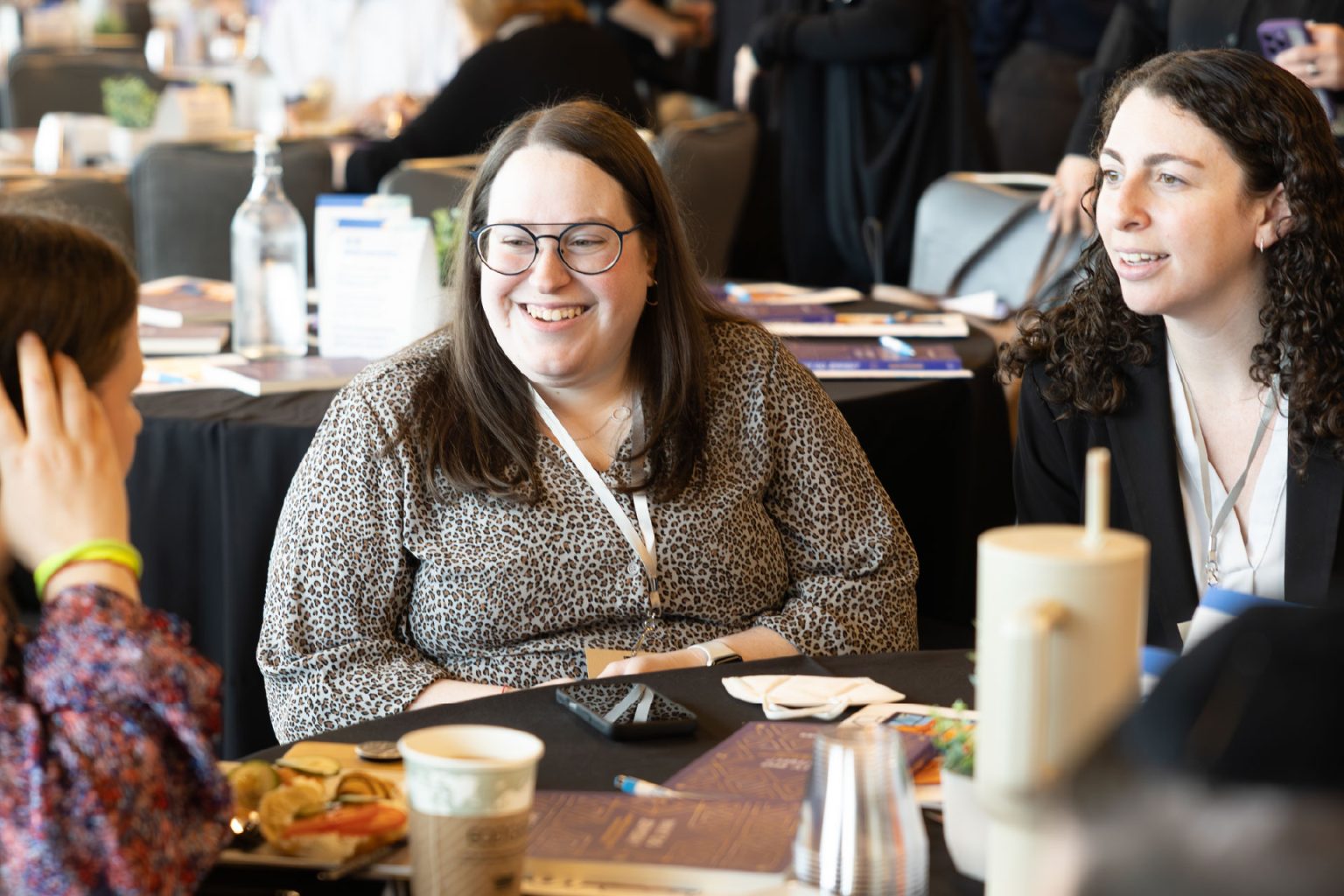
Those findings became the foundation for a broader strategy. Together with the Planning Committee and Hermelin-Davidson Committee, we reviewed the research, discussed potential approaches, and worked to identify where communal investment could have the greatest impact. Through those conversations, several priorities emerged: expanding access, strengthening and supporting educators, enriching the quality of early childhood experiences, and creating stronger pathways that help families stay connected to Jewish life beyond the preschool years.
Those priorities are now shaping a number of investments across the community.
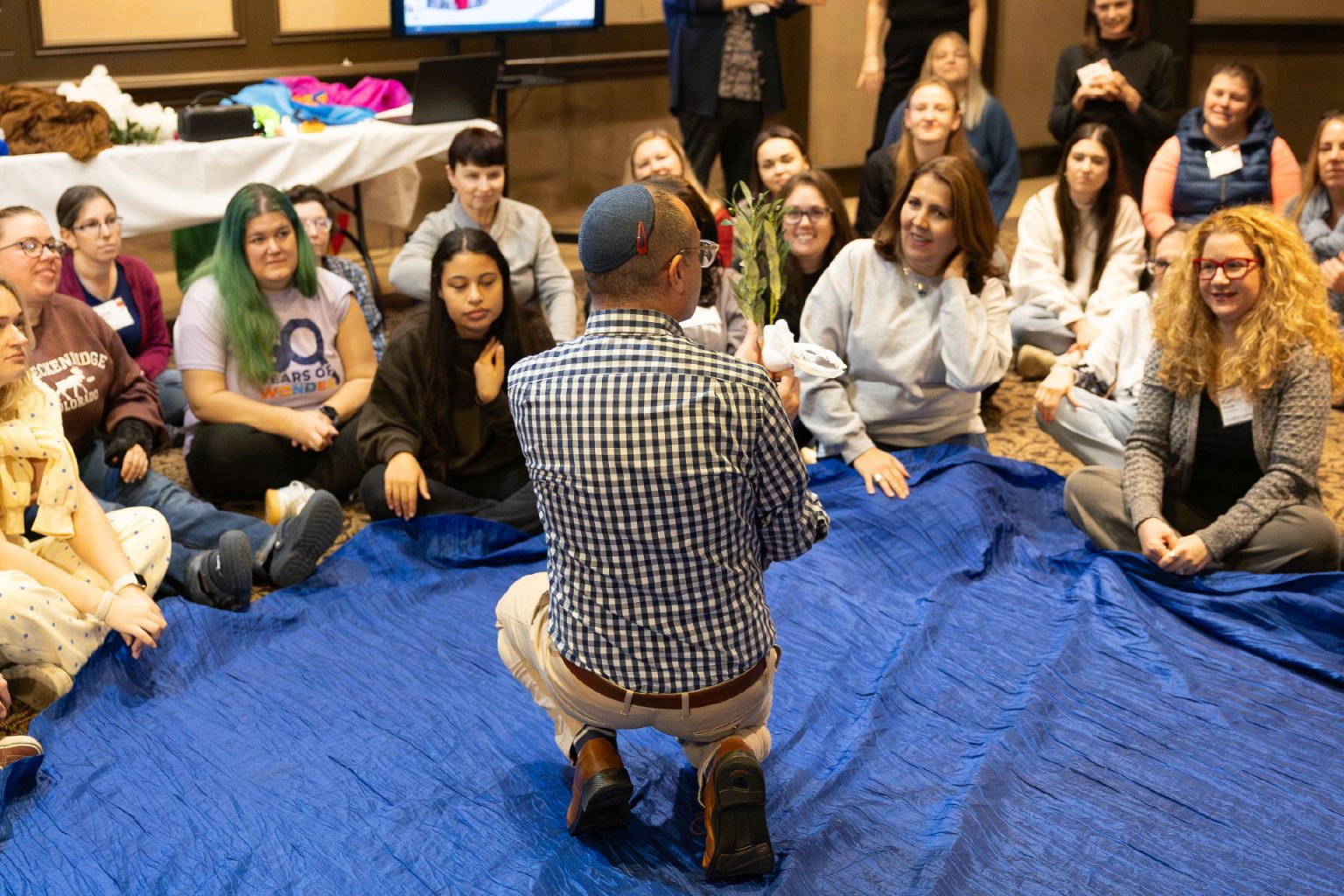
One example is ElevatEd Detroit, a national initiative focused on recruiting, developing, and retaining outstanding early childhood educators. Through ElevatEd, schools have access to mentorship for new teachers, leadership development for directors, stipends and support for teacher leaders, and professional learning opportunities designed around what local schools identified as their greatest needs.
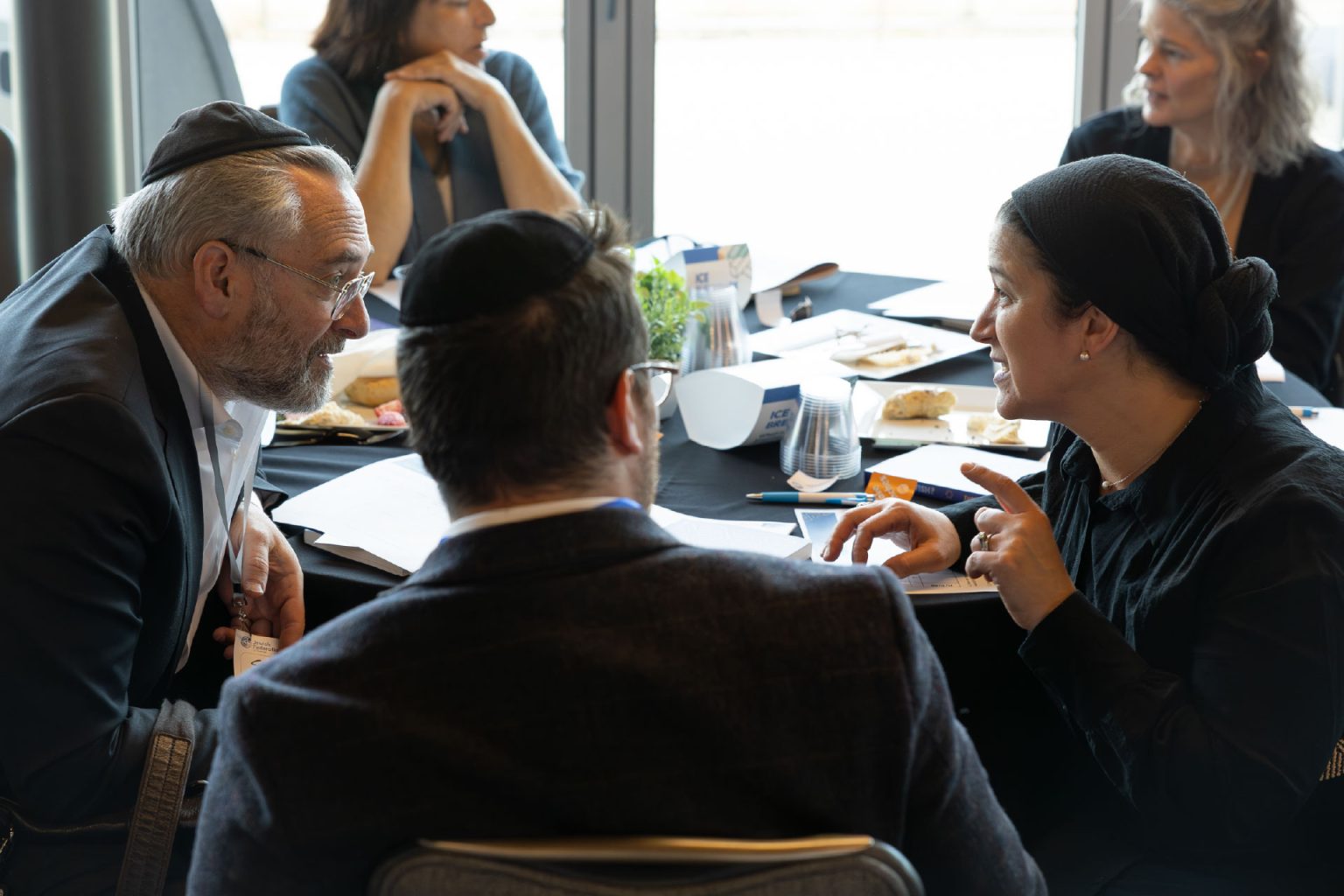
But ElevatEd is only one part of the story. The planning process also informed increased per-student investments in early childhood education and additional support for initiatives such as Doors to the Future, helping ensure that our investments address multiple aspects of the early childhood ecosystem rather than relying on a single solution.
What makes these investments meaningful is not simply the programs themselves. It is the process that shaped them.
Most people see the investment. They see a new initiative, a professional development opportunity, or an expanded service. What they don’t always see is the work that comes before it: the research, the conversations, the difficult questions, and the partnership between professionals, lay leaders, educators, and families.
That is the role community planning plays. Not simply identifying what our community could do next, but helping ensure that when we invest, we invest thoughtfully, strategically, and in ways that reflect the voices and needs of the people we serve.
The Israeli counselor who asked why I would send my child away for 24 days was asking from a place where Jewish life is ambient. Here in North America, it takes intention. It takes partnership. It takes investment.
Jewish identity doesn’t build itself.
Neither does a vibrant Jewish community.